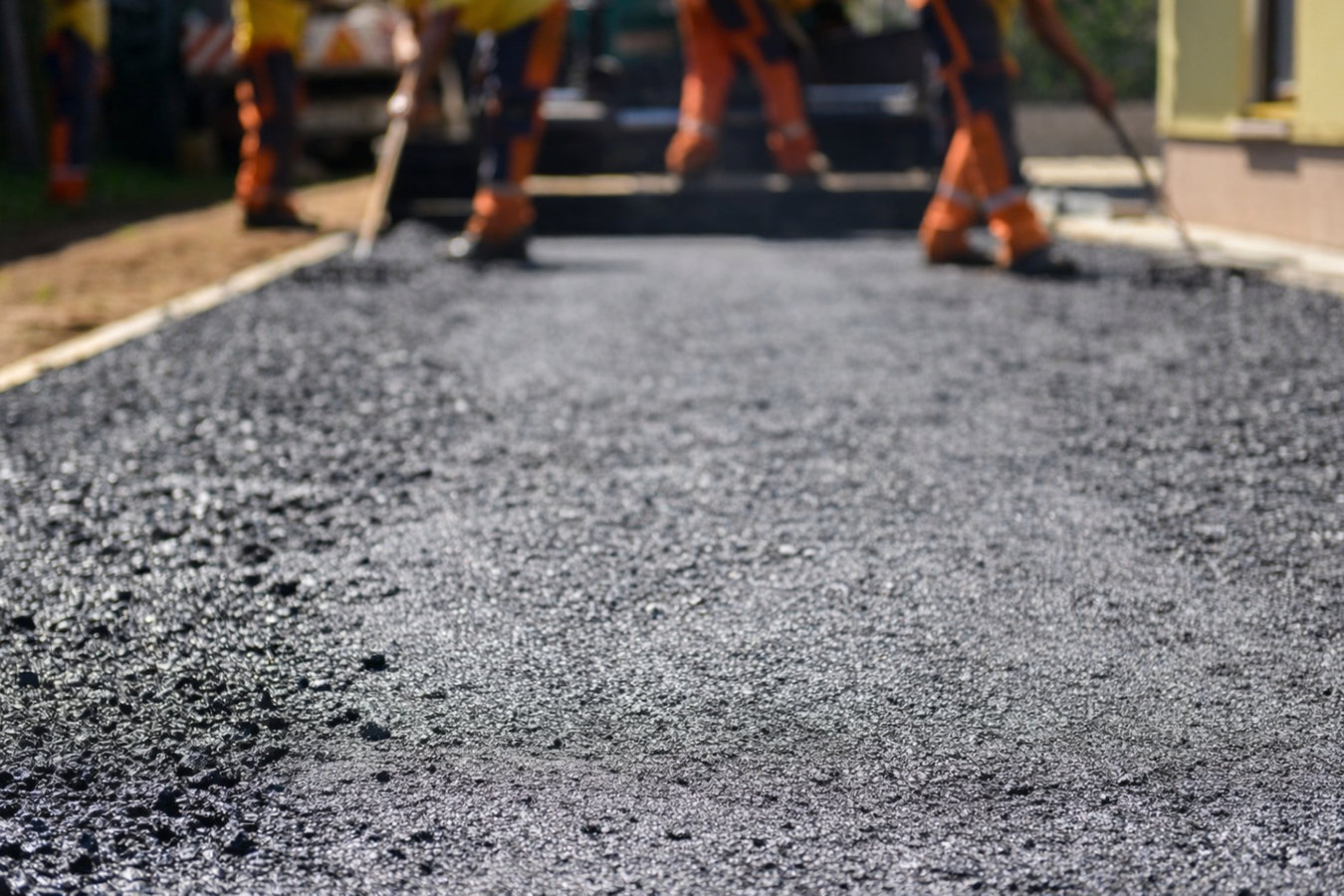
Gravel turns to mud every monsoon. Asphalt cracks every winter. A properly built concrete lot gives you a surface that stays flat, drains cleanly, and holds up for decades.
Concrete parking lot building in Prescott means removing the existing surface, compacting the subgrade, adding a crushed-gravel base course, and pouring a properly sized slab - most residential lots take three to seven days from pour to a surface you can walk on, and a full month before heavy vehicles park on it.
If your current parking area is crumbling, shifting, or turning into a mud pit every July, you are past the point where patching helps. Concrete parking lot building in Prescott requires accounting for the city's freeze-thaw winters, expansive clay-heavy soils, and monsoon drainage - factors that a contractor from the Phoenix Valley may not factor into their plan. We handle the City of Prescott permit process from start to finish, so work does not begin until everything is approved.
If you are also looking at your driveway, our concrete driveway building service follows the same base-prep and mix standards - and we can often combine both into one project visit and permit application.
If you have patched cracks before and they keep reappearing every season, the surface has likely reached the end of its useful life. Prescott's freeze-thaw cycles accelerate this process, and what starts as a hairline crack can become a significant gap within a year or two. Patching is no longer cost-effective at that stage.
Standing water on a parking surface means either drainage was never designed correctly or the surface has shifted enough to create low spots. In Prescott's monsoon season this becomes a real problem - pooling water weakens the slab over time and creates a slipping hazard. Puddles still there an hour after a storm are a signal worth acting on.
Edge deterioration - corners and borders that chip and crumble - is a sign the original work was poor or the surface has aged past the point of repair. Once the edges go, the damage tends to spread inward. This is especially common in older Prescott properties where parking surfaces were poured decades ago without today's base prep standards.
If sections of your parking area are visibly higher or lower than they used to be, the ground underneath is moving. Prescott's expansive clay soils are a common cause of this seasonal movement. Patching the surface will not fix the underlying problem - the slab needs to be removed and the base rebuilt properly.
Every concrete parking lot project starts with base preparation - the work most homeowners never see but that determines how the slab performs over a decade. We excavate to the proper depth, compact the subgrade, and install a crushed-gravel base course before a single truck delivers concrete. For residential lots handling passenger cars and light trucks, we pour four to six inches thick. For heavier use - RVs, delivery vehicles, or loaded trailers - we increase thickness accordingly. Control joints are cut in at planned intervals so any concrete movement happens in straight, predictable lines rather than random cracks across the surface.
Beyond new construction, we also handle situations where an existing surface has shifted or crumbled beyond repair. We remove the old material, assess the subgrade, correct any drainage issues, and pour a new slab that is graded for water runoff from the start. Homeowners interested in a similar surface upgrade for their main entry point will find our concrete driveway building service uses the same mix standards and base prep approach. If you also need structural support for a retaining wall or addition nearby, see our concrete footings service for how that work fits alongside a parking lot project.
Best for properties converting gravel, dirt, or asphalt to a permanent concrete surface for the first time.
Best for existing lots that have cracked, heaved, or deteriorated past the point where repairs are cost-effective.
Best for properties where water currently pools on the surface after rain or irrigation - regraded and poured for proper runoff.
Best for properties that regularly see RVs, delivery trucks, or equipment - poured thicker with reinforcement to match the load.
Prescott sits at roughly 5,400 feet, and that elevation means your parking lot faces conditions that most Arizona contractors have never built for. Winter overnight lows regularly drop below freezing from November through March. When water gets into small cracks and freezes, it expands - widening those cracks every season. A properly built Prescott lot uses a concrete mix formulated for freeze-thaw resistance and a base course thick enough to stay stable when the ground contracts and expands with the cold. The Portland Cement Association publishes guidance on freeze-thaw rated mix design, and we follow it on every Prescott project.
Monsoon season, which runs mid-June through September, adds another planning factor. Freshly poured concrete that gets hit by an afternoon storm before it has set develops surface defects. Experienced local crews schedule pours for early morning and monitor the afternoon forecast daily during that window. The City of Prescott also requires a permit before any new impervious surface - including a concrete lot - is installed. We handle that process with the City of Prescott Community Development Department on your behalf. We serve homeowners across the Prescott area, including Prescott Valley and Chino Valley, where soil conditions and permit requirements follow similar local patterns.
Reach out by phone or the contact form and we will respond within one business day. We schedule a free on-site visit to measure the space and assess site conditions before giving you a written quote that breaks out base prep, concrete, and labor.
Before any work begins, we apply for the required permit through the City of Prescott Community Development Department. This step typically takes several days to two weeks and work does not start until it is in hand - no exceptions.
We remove the existing surface, excavate to depth, compact the subgrade, and install the gravel base. The concrete pour follows - typically scheduled for early morning to avoid afternoon heat and monsoon-season storms. Most residential pours take a few hours.
We keep the surface moist during the first days - critical in Prescott's dry air - and may apply a curing compound. Plan to stay off the surface for three to seven days, and avoid vehicles for 28 days. We walk the finished lot with you before we leave.
Free on-site estimate. No pressure. We handle the Prescott permit from start to finish.
(928) 582-8713We use a concrete mix formulated for Prescott's elevation and winter freeze cycles on every parking lot we build. This is not a standard Phoenix mix - it is specified for the conditions your surface actually faces from November through March.
We will not adjust the base preparation to lower a bid. The crushed-gravel base course and subgrade compaction are what keep the slab stable over Prescott's expansive clay soils - skipping or thinning that step is the most common reason parking lots crack within a few years.
We handle the City of Prescott permit application ourselves and work does not begin until it is approved. A lot built without the required permit can create problems when you sell your home or file an insurance claim - we make sure yours is fully compliant.
We schedule pours for early morning during monsoon season and track afternoon forecasts. Freshly poured concrete hit by a monsoon storm before it sets develops surface defects that cannot be fixed after the fact - our scheduling avoids that risk.
Verify any concrete contractor in Arizona through the Arizona Registrar of Contractors before signing anything - state licensing is a minimum bar, not a guarantee of quality, but it filters out the operators who should not be on your property. We meet every one of these standards and welcome you to verify.
If your parking project also needs structural footings for a wall, post, or addition nearby, we handle both scopes under one permit process.
Learn MoreConnect your new parking lot to a freshly poured driveway built to the same freeze-thaw standards and base-prep depth.
Learn MoreSpring and early fall are the best windows to avoid monsoon disruptions - contact us now to lock in your project date.